Hazardous nature of some components of healthcare waste considering its high risk
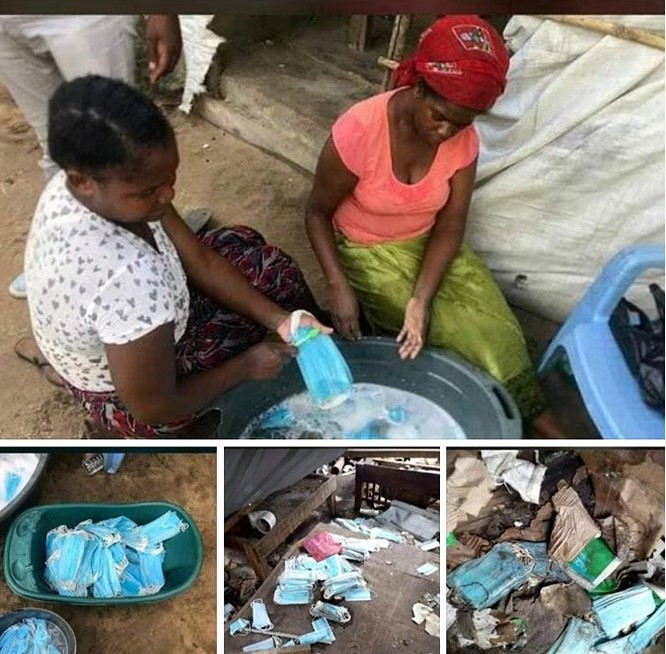
Due to the hazardous nature of some components of healthcare waste considering its high risk need caution for its proper handling, storage, transportation and disposal to minimize the pollution of air, water and soil Improper management of healthcare waste at any stage of the management procedure may result in the spread of infection in one way or the other.
Everybody is at risk of suffering the consequences of improper healthcare waste management directly or indirectly.
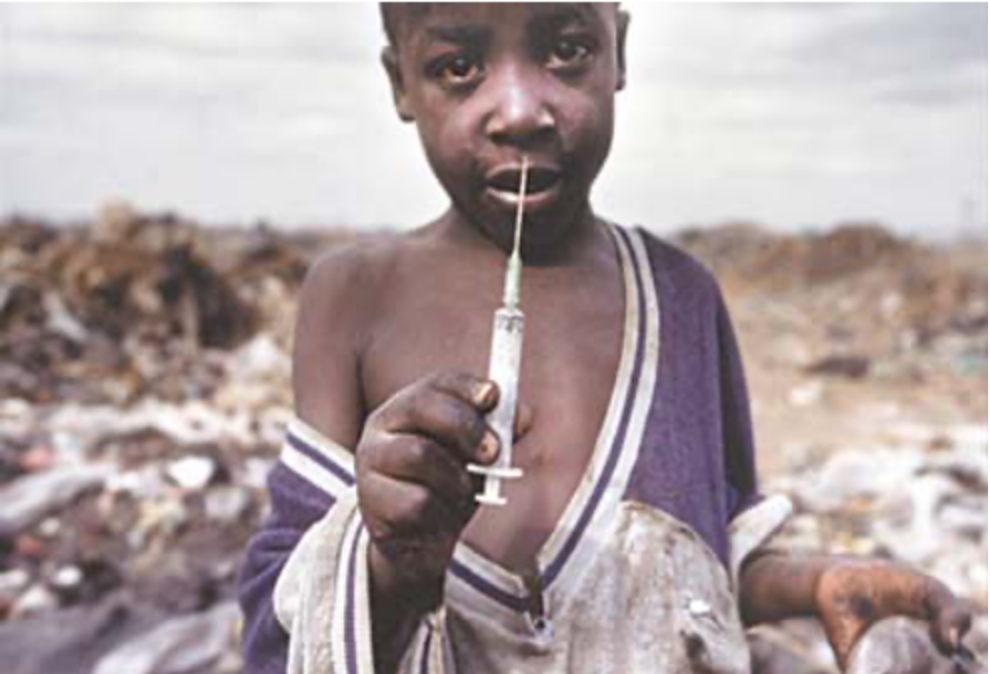
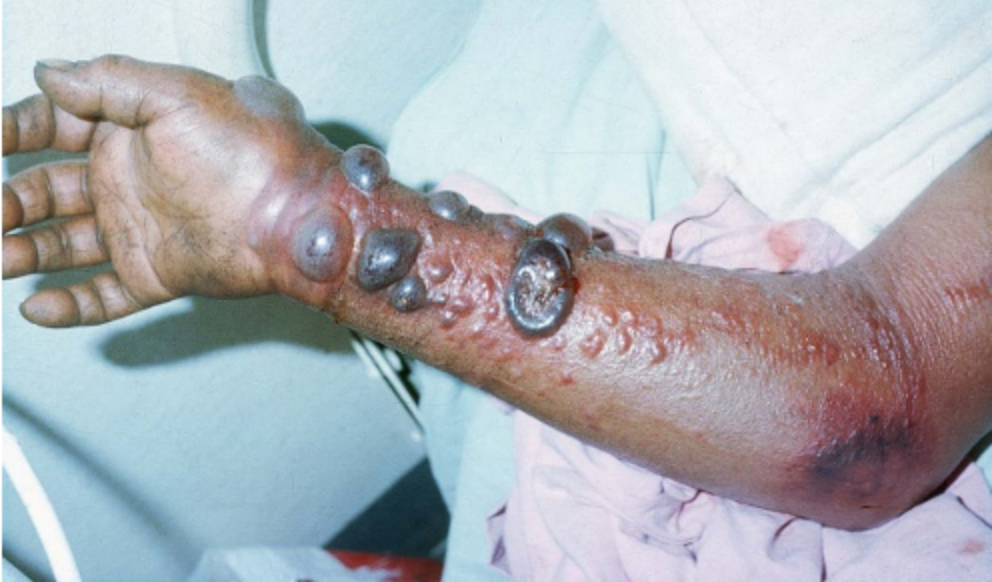
Due to the presence of pathogens in the infectious waste component of the healthcare waste, people are at risk of acquiring various kinds of diseases through inhalation, ingestion, puncture, abrasion or cut on the skin.
These pathogens are usually present in the blood, faeces, vomit, sexual secretions, cerebrospinal fluids and other body fluids of infected persons. Diseases that could be transmitted include HIV, Hepatitis (A, B and C), Anthrax, influenza, Gastroenteric infections, Meningitis among many other infectious diseases (WHO, 2014).
It is estimated that 3 million needle stick injuries occurs globally each year (Research Gate, 2019).
Many Chemicals and pharmaceuticals used in healthcare facilities are hazardous therefore must be handled carefully to avoid intoxication. This can be either through acute or chronic exposure to the chemical in which the chemical gets into the body by absorption through the skin or mucous membranes, inhalation or ingestion. Physical injuries can also occur if these chemicals are mishandled, the common of which is chemical burns.
Exposure to cytotoxic drugs can also cause nausea, headaches, dizziness or dermatitis.
Most cytotoxic drugs are extreme irritants and can also cause damage to the eyes or skin when in contact. Radioactive waste is genotoxic and sufficient exposure to such waste can affect the genetic material of a person. Handling highly active sources, such as those used in diagnostic instruments (e.g. gallium sealed sources) may cause much more severe injuries, including tissue destruction, necessitating the amputation of body parts. Extreme cases can be fatal (WHO, 2014).
Improper medical waste treatment methods can also present risk to people and the environment. A typical example is the flue gas emitted by incinerators during the combustion of some types of medical waste. If poorly controlled, emissions from waste incinerators may cause health concern from;
Healthcare generates thousands of tons of waste each day, including toxic materials and chemical waste, and still relies heavily on the incineration of large portions of waste including pathological and chemotherapy waste, but also tons of regular waste that continues to be burned – implicating healthcare as a large source of toxic air emissions and other serious concerns related to incineration.